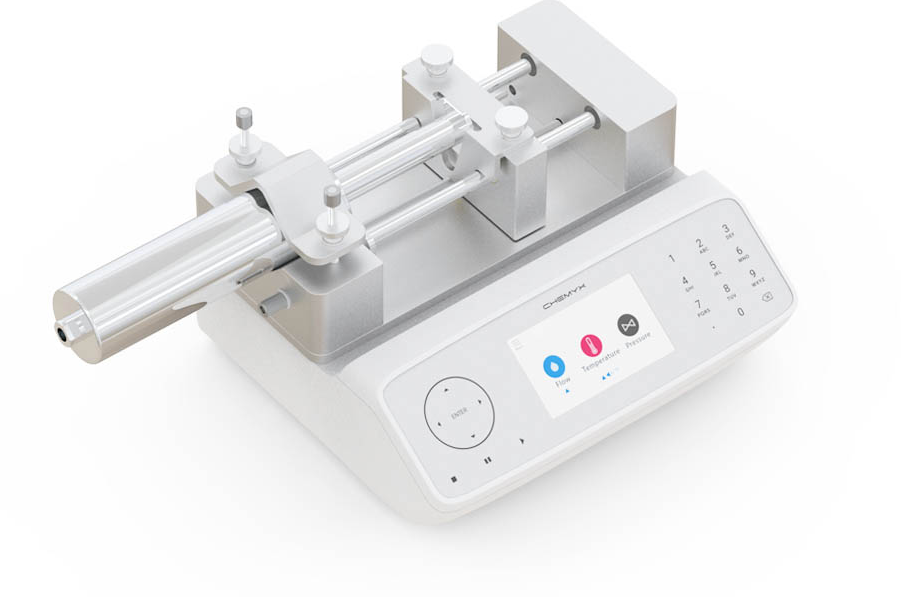
A Syringe Pump looks simple on a bench, but its role is extremely controlled and specific. It pushes or pulls liquids at exact rates that humans cannot maintain consistently. Researchers depend on that steady motion when experiments require repeatable conditions. Even a small change in the flow can have bigger effects than planned. In other words, these gadgets care more about how they work than how they look.
Flow rate settings are not always straightforward choices
You should set the syringe pump quickly if you want to do something and if the liquid is thick. Thicker fluids move more slowly and need more force to maintain consistency. Many users underestimate how small adjustments impact final results over time. It is not just about selecting a number and pressing start. Testing different settings beforehand usually avoids problems later in the process.
Calibration is something people skip more often than they should
Regular calibration of a Syringe Pump ensures the machine delivers exactly what is programmed. Over time, mechanical wear or small internal shifts can change performance slightly. It’s not simple to quickly look at or check them to see these changes. Calibration routines help make sure that the result is what was expected. A mistake might not show up right away if you skip this step, but it will add up over time if you keep doing it.
Materials and build quality affect long-term reliability
Different syringe pump models use varying materials for their internal mechanisms and outer structure. Plastic components may reduce cost, but sometimes wear faster under heavy use. Metal parts are strong, but they can be heavy and need more upkeep. Choosing the right build depends on how frequently the device operates. Lab environments with continuous usage often require more durable construction choices.
Cleaning practices are often inconsistent across labs
The procedure of cleaning a syringe pump is not complex, yet it is generally performed unevenly by various setups. Chemicals may leave residue that will influence subsequent experiments unless it is removed. Other fluids create transparent spots that disrupt subsequent reactions. Appropriate cleaning processes involve flushing, wiping and drying of all the applicable parts. Any failure to follow all the steps can be the cause of small contamination problems in the future.
Software controls and interface design make a difference
Modern syringe pump units include digital interfaces that allow precise programming of flow patterns. Some systems support multiple phases, which helps in complex procedures requiring varied rates. The interface usability influences the ease with which the operators can configure and change the parameters. Wrong entries in the hectic lab sessions are commonly caused by problems with confusion of controls. Less complex designs minimise errors and enhance the uniformity of workflow.
Choosing the right syringe size matters more than expected
The accuracy and pressure are directly proportional to the size of the syringe used with a syringe pump. Larger syringes are capable of holding more fluid, but might decrease the precision of very fine measurements. Smaller syringes provide more control but have to be refilled more often in long experiments. Correctly combining the size of the syringe with the application requirements is a significant step that is usually ignored. It affects the productivity and the quality of the final output.
Maintenance routines help avoid sudden interruptions
In the process of regular maintenance of a Syringe Pump, it is necessary to check the moving parts, lubricate them where necessary, and maintain the alignment. Failure to do such chores can lead to unplanned breakdowns in important work. Minor mechanical problems are likely to escalate when left unattended. Regular maintenance ensures the smooth running of the device without any hitches. It also increases the life of the equipment used to a great extent.
Conclusion
Knowledge of the operation of a Syringe Pump in lab routine circumstances assists in preventing avoidable errors and time wastage. chemyx.com offers valuable references to be consulted at least once to find more technical details and product information. Being careful when you clean, tune, and set up makes things more regular without making them harder. Over time, even small changes in how things are handled can have a big effect on the results. If you use needle pump systems often, you should look at how you’re doing things now and make small changes where needed to keep things more accurate and reliable.