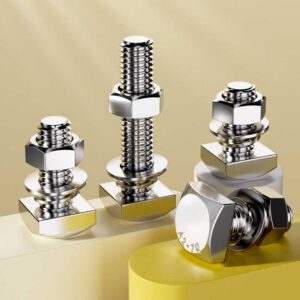
Stainless steel bolts are essential fasteners used across multiple industries due to their durability, corrosion resistance, and high tensile strength. Unlike regular bolts, stainless steel bolts are designed to withstand harsh environmental conditions, including moisture, chemicals, and extreme temperatures. Their ability to maintain structural integrity over time makes them indispensable in construction, automotive, marine, and industrial applications. In this article, we will explore the uses, benefits, types, and considerations for selecting the right stainless-steel bolts and nuts for any project.
Benefits of Using Stainless Steel Bolts
Stainless steel bolts offer numerous advantages over standard fasteners. Understanding these benefits can help in making informed decisions for industrial and residential projects.
- Corrosion Resistance: Stainless steel bolts resist rust and corrosion even in wet or salty environments, making them ideal for outdoor applications.
- Durability: High tensile strength ensures these bolts maintain their shape and function under stress.
- Aesthetic Appeal: The shiny finish of stainless-steel bolts gives a professional and clean look to visible installations.
- Low Maintenance: These bolts require minimal upkeep, reducing long-term maintenance costs.
By choosing stainless steel bolts, industries can enhance safety, performance, and longevity of their structures.
Varieties of Stainless-Steel Bolts
Stainless steel bolts come in multiple varieties; each designed for specific applications. Some of the most common types include:
- Hex Bolts: Widely used in machinery and construction, these bolts feature a hexagonal head for easy tightening.
- Carriage Bolts: Recognized for their rounded heads, they are often used in wood and metal connections.
- Lag Bolts: Heavy-duty bolts ideal for timber applications requiring strong, secure fastening.
- Machine Bolts: Designed for use with nuts and washers in precise industrial applications.
Selecting the correct type of stainless-steel bolt ensures maximum efficiency and safety in any project.
Maintenance Tips for Stainless Steel Bolts and Nuts
Proper maintenance of stainless-steel bolts and nuts ensures they remain effective and durable over time. Regular cleaning with mild soap and water helps remove dirt and debris that can accumulate in threads. For outdoor or marine applications, occasional inspection for corrosion or wear is recommended. Lubricating threads with anti-seize compounds can prevent galling and make future removal easier. Additionally, replacing damaged or worn fasteners promptly ensures the safety and stability of the entire structure. With simple upkeep, stainless steel bolts and nuts continue to perform reliably, reducing long-term maintenance costs and downtime.
Understanding Stainless Steel Bolts and Nuts
Stainless steel bolts and nuts are often paired together to create strong, secure fastening solutions. The nut complements the bolt, allowing for adjustable tension and stable assembly. Key features include:
- Thread Compatibility: Proper threading ensures a tight, secure connection that prevents loosening over time.
- Strength: Stainless steel nuts are designed to match the tensile strength of the bolts for uniform load distribution.
- Corrosion Resistance: Both bolts and nuts resist rust, which prolongs their life in harsh conditions.
Using stainless steel bolts and nuts together guarantees reliable performance in mechanical, construction, and marine applications.
Applications Across Industries
Stainless steel bolts and nuts are used in a wide range of industries due to their versatility and durability. Some key applications include:
- Construction: For structural frameworks, bridges, and buildings where longevity is crucial.
- Automotive: In vehicles, where vibration resistance and strength are essential.
- Marine: Ideal for boats, docks, and coastal structures because of their rust resistance.
- Machinery and Equipment: Ensures secure assembly and operational reliability in heavy-duty machinery.
Choosing stainless steel bolts ensures safety, durability, and reduced maintenance across these industries.
Key Considerations When Selecting Stainless Steel Bolts
Selecting the right stainless-steel bolts involves multiple considerations to ensure optimal performance.
- Material Grade: Common grades include 304 and 316 stainless steels, each with specific corrosion resistance and strength properties.
- Size and Length: Proper sizing is essential to ensure load distribution and stability.
- Thread Type: Coarse threads offer better grip in softer materials, while fine threads provide precise adjustment.
- Environmental Factors: For marine or chemical exposure, higher-grade stainless steel is recommended.
By carefully considering these factors, you can ensure the longevity and effectiveness of your stainless-steel bolts and nuts.
Sustainability and Environmental Benefits
Using stainless steel bolts and nuts contributes to sustainability due to their long lifespan and recyclability. Unlike other fasteners that may corrode or break, stainless steel maintains integrity for decades, reducing the need for frequent replacements. At the end of their life cycle, stainless steel can be fully recycled without losing strength or quality. This makes it an environmentally friendly option for construction, automotive, and industrial projects. By choosing stainless steel bolts and nuts, industries not only benefit from durable and reliable fastening solutions but also reduce environmental impact, supporting sustainable and responsible manufacturing practices.
Advantages of Stainless-Steel Bolts in Harsh Environments
Stainless steel bolts are particularly beneficial in challenging conditions due to their resistance to rust and wear. The benefits include:
- Saltwater Resistance: Ideal for coastal and marine applications.
- Temperature Stability: Maintains performance under high or low temperatures.
- Chemical Resistance: Suitable for industrial environments with exposure to chemicals.
These qualities make stainless steel bolts and nuts indispensable for projects requiring long-lasting reliability.
Installation Tips for Stainless Steel Bolts and Nuts
Proper installation is crucial for maximizing the performance of stainless-steel bolts and nuts. Consider the following tips:
- Use Compatible Tools: Avoid over-tightening, which can damage threads.
- Apply Lubrication: In some cases, anti-seize lubricants prevent galling.
- Follow Torque Specifications: Ensures bolts are neither too loose nor too tight.
- Inspect Regularly: Check for signs of wear or corrosion, especially in outdoor installations.
Following these best practices ensures safety, durability, and efficient use of stainless-steel bolts and nuts.
Common Mistakes to Avoid
Even with high-quality stainless-steel bolts, improper use can lead to failures. Common mistakes include:
- Mixing different grades of stainless steel, which can cause galvanic corrosion.
- Using bolts with incompatible nuts, leading to loosening or stripping.
- Over-tightening, which may compromise bolt integrity.
- Ignoring environmental factors that require higher-grade stainless steel.
Avoiding these mistakes prolongs the life of your fasteners and ensures the stability of your assemblies.
Conclusion
Stainless steel bolts and stainless-steel bolts and nuts are critical components in modern engineering, construction, and industrial projects. Their durability, corrosion resistance, and versatility make them a preferred choice for professionals seeking reliable fastening solutions. By understanding the types, benefits, applications, and installation best practices, you can select the right fasteners for your needs. For quality stainless steel bolts and nuts, fastenmetal.com provides a wide range of options suitable for various industries and environments.