A packing line can look simple from the outside. Product goes in, packs come out, and the work carries on. Yet small changes in flow or dose can affect the whole run. One cup may hold too much, while the next falls short. Over time, this can waste stock and slow the team down. Better filling methods help reduce these problems. When firms match the machine to the product, they can gain steadier output, less waste, and more control over each pack without making daily work harder.
Measuring Beyond The Surface
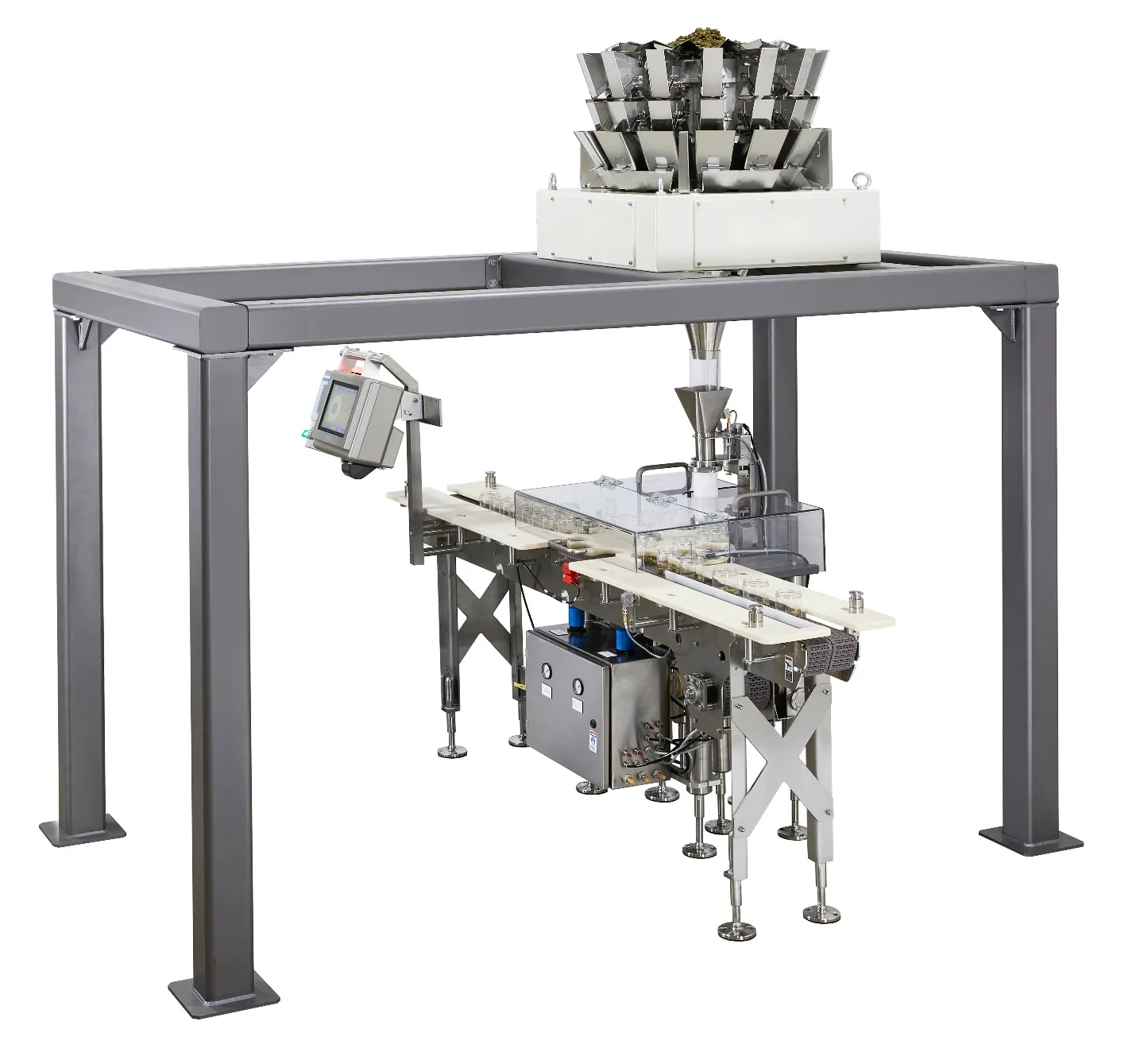
Many dry goods need a quick, steady way to fill packs. volumetric cup fillers use set volumes to measure product before dropping it into a bag, jar, or tub. They can suit free-flowing goods such as grains, seeds, and some food mixes. But volume is not the same as weight. A change in product size, shape, or density may alter how much each cup holds by weight. Firms must test real samples and check the results before setting a target for routine production.
When Powder Needs Control
Powders can be less easy to handle than they seem. Fine particles may cling to surfaces, form lumps, or flow at different rates as a hopper empties. automatic powder fillers help control the dose and reduce the need for repeated manual work. Depending on the model, they may use a screw feed or another measured delivery method. The right choice rests on the powder itself, the required dose, and the pack type. A proper trial helps show whether the system can meet the needed level of accuracy.
Two Methods, One Production Goal
A plant does not always need to replace every machine to improve its output. In some cases, cup filling and controlled powder dosing can serve different products on the same line. The key is to know where each method works best. Cup-based systems may suit products that flow freely, while a dedicated powder dosing unit may handle fine blends more reliably. Teams should also review pack size, changeover time, cleaning needs, and output goals. These details help prevent a mismatch that could cause delays after installation.
Keeping Every Stage Moving
Even a precise filler can struggle if the rest of the line cannot keep pace. Empty packs must arrive on time, filled packs need clear space to move, and weight checks should happen without causing a queue. Staff should watch for spills, uneven doses, and changes in flow during long runs. Simple records can reveal patterns that are easy to miss while work is busy. Regular cleaning and sound setup matter too. A clean, well-tuned machine is easier to manage and more likely to give steady results.
Conclusion
Good filling starts with a clear view of the product and the task. No single method suits every material, pack, or output target. Test runs help teams find the right balance between speed, accuracy, and ease of use. With proper training, routine checks, and a layout that supports smooth movement, firms can reduce waste and improve pack quality. The best choice is the one that meets real production needs today and leaves room for change as demand grows.