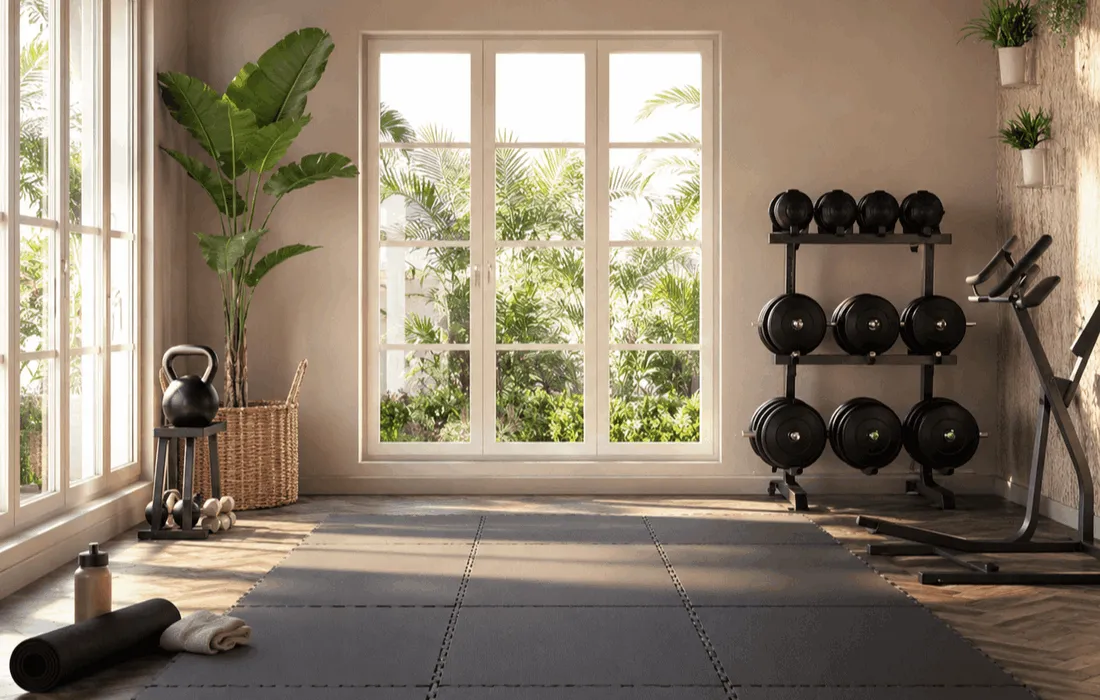
In areas where comfort, cushioning and versatility are a priority, foam surfaces can be beneficial. They are located in exercise spaces, studios, children’s spaces, recreation rooms and other areas where people frequently work or move near the floor. But not all foams are created equal. Knowing what the activity, surface needs, maintenance and usage requirements are can help you make a better choice of flooring.
Start With the Purpose
The first thing to do is to know how the surface will be utilised. A stretching room could require different qualities from a play area for children or an exercise area.
In activities involving sitting, kneeling, stretching or exercising, foam matting can create a softer surface. It can also make hard floors more comfortable to use for activities on the floor. The amount of cushioning needed, however, depends on the activities which occur and the frequency of use.
Before picking a product, first determine the primary function of the area.
Consider the Type of Movement
The type of mat that is best can be determined by movement patterns. Generally, a surface will require different demands when a person is stretched out, or when they are doing controlled exercises, than when they are jumping repeatedly or doing activities at a faster pace.
For example, a fitness area may require a balance between cushioning and stability. If a surface feels excessively soft, some activities may become less comfortable. If it is too firm, users may not receive the level of cushioning they expect.
Thinking about how people will move across the floor helps narrow down the appropriate material and construction.
Look at Thickness Carefully
Thickness is often one of the first specifications people notice, but it should not be the only consideration. A thicker mat gives you more pad, but how well it holds up comes down to stuff like core density and how it was made.
If you are shopping for Foam Matting choices, think about how thickness, firmness, feel, and your daily moves all fit together. The characteristics required for a product used for light floor exercise may not be as important as those required for more strenuous recreational activities.
The aim is to get a good balance, not just the thickest one possible.
Think About Yoga and Stretching
Different surface requirements for yoga and stretching areas. They may be standing, kneeling, sitting or lying on the floor for a long time, and comfort may be important.
Yoga Mats are typically designed to be used by a single person and can be laid over existing flooring. They can be useful when a user wants to have a personal exercise surface that can easily be rolled up or stored when not in use.
Still, if you have a bigger room to fill, picking wider foam flooring could end up being the smarter path. This will depend on whether the goal is to make the room surface easy to move around on or to provide a uniform soft surface throughout the room.
Check Surface Stability
Comfort is useful, but stability should not be overlooked. Mats should sit securely on the floor and remain suitable for the movements taking place.
The existing floor should be clean, reasonably level, and free from loose debris before mats are installed. Where multiple pieces are used, their connection and positioning should also be considered.
A stable surface can make activities feel more controlled and can minimise the need for frequent adjustments to individual pieces when in use.
Consider Cleaning Requirements
Sweat, dust, hair and other normal dirt can easily accumulate in exercise and activity areas. Therefore, it is important to have an appropriate cleaning system in place before choosing a matting system.
Be sure to follow the manufacturer’s suggested cleaning instructions, as the care needs for the various types of foam can differ. Do not use inappropriate chemicals or too much water unless specified by the product.
Periodic cleaning also allows you to check for any damage, loose edges or wear on the surface.
Think About Storage and Space
Storage becomes important when mats are intended for occasional use. Portable products need somewhere clean and dry when they are not being used.
If the room is small, lightweight and easy to move around with items might be better. If you have a dedicated exercise area, then it might be better to opt for permanent or semi-permanent flooring, as the surface would not require removal after each workout.
Take into account the entire process from set-up to use, cleaning and storage when making the final decision.
Choose According to Long-Term Use
When choosing a floor, it should be taken into account that the space will be used in the future. Things can change, and with frequent use, maintenance costs can become more significant, and numbers of users can grow.
Make comparisons of the material, size, thickness, design, mounting and use of the product. This can help you choose a solution that fits the space, instead of just one particular feature.
Conclusion
When selecting an appropriate foam flooring, you don’t just need to find a soft floor. Foam Matting can be beneficial for activity areas where cushioning and comfort are important, Yoga Mats can be a handy personal mat for stretching and exercise. Before installing, take into account the activity, movement, thickness, stability, cleaning and storage needs of the various options. When considering practical flooring options for activity and commercial areas, you should consider looking at what PVCfloortile.co.za has to offer for more options and information on the products.