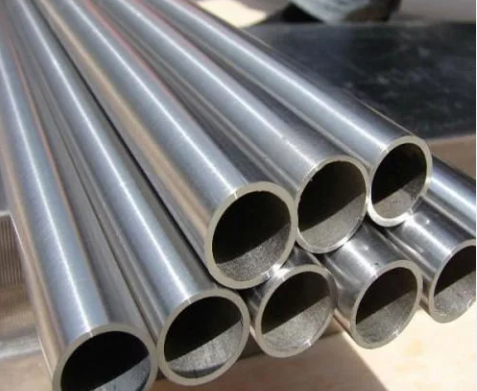
Introduction: Modern Industries Need Pipes That Can Survive Extreme Conditions
Let’s get straight to it — industries operating under high temperatures and extreme pressure cannot rely on ordinary piping materials anymore.
Today’s industrial sectors such as:
• Oil & gas
• Petrochemical processing
• Thermal power generation
• Refineries
• Offshore engineering
• LNG infrastructure
all require piping systems capable of handling:
• Superheated steam
• Thermal stress
• Pressure fluctuations
• Oxidizing environments
• Long continuous operational cycles
That’s exactly why Chrome Moly Pipes have become one of the most important materials in modern industrial infrastructure.
P5, P9, P11, P22, and P91 Chrome Moly Pipes are specially engineered alloy steel pipes designed for elevated temperature and pressure-intensive applications where standard carbon steel pipes fail.
What Are Chrome Moly Pipes?
Chrome Moly Pipes are alloy steel pipes manufactured using chromium and molybdenum alloy compositions.
The combination of chromium and molybdenum significantly improves:
• Heat resistance
• Pressure handling capability
• Oxidation resistance
• Mechanical strength
• Creep resistance
These pipes are widely manufactured according to ASTM A335 / ASME SA335 standards for high-temperature service applications.
Chrome moly pipes are commonly used in boilers, power plants, petrochemical systems, and refinery piping networks because of their excellent thermal performance.
Why Industries Depend on Chrome Moly Pipes
Industrial systems operating under extreme temperatures require piping materials capable of maintaining long-term stability without cracking, deforming, or corroding.
Chrome Moly Pipes help industries maintain:
• Operational safety
• Pressure integrity
• Thermal stability
• Long service life
• Reduced maintenance downtime
That’s why P5, P9, P11, P22, and P91 pipes are widely used across critical industrial applications globally.
Key Advantages of Chrome Moly Pipes
Excellent High-Temperature Strength
One of the biggest advantages of chrome moly steel pipes is their ability to retain mechanical strength under elevated temperatures.
This makes them ideal for:
• Steam systems
• Boilers
• Heat exchangers
• Furnace piping
• Thermal processing systems
Superior Pressure Handling Capability
Chrome Moly Pipes are engineered for high-pressure industrial applications where piping systems must operate continuously under stress.
Strong Oxidation Resistance
The chromium content improves resistance against:
• Oxidation
• Thermal scaling
• Sulfidation
• Steam corrosion
This improves operational durability in high-temperature environments.
Excellent Creep Resistance
Creep resistance becomes critical in systems operating continuously under high temperature and pressure.
Grades like P91 are specially designed for superior creep strength and thermal fatigue resistance.
Long Operational Life
Chrome Moly Pipes reduce:
• Maintenance costs
• Pipe replacement frequency
• Pressure-related failures
• Plant shutdowns
This improves industrial efficiency and operational reliability.
Technical Specifications Table
| Parameter | Specification |
| Product Type | Chrome Moly Pipes |
| Standards | ASTM A335 / ASME SA335 |
| Grades | P5, P9, P11, P22, P91 |
| Pipe Type | Seamless |
| Size Range | ½” NB to 36” NB |
| Schedule | SCH 20 to SCH XXS |
| Applications | Boilers, Refineries, Power Plants |
Understanding Major Chrome Moly Pipe Grades
P5 Chrome Moly Pipe
P5 Chrome Moly Pipe contains chromium and molybdenum alloying elements that improve oxidation resistance and thermal stability.
Key Features
• Good high-temperature resistance
• Excellent oxidation resistance
• Strong mechanical stability
Common Applications
• Refineries
• Furnace systems
• Heat exchangers
• Petrochemical plants
P5 pipes are widely used in moderate to high-temperature industrial operations.
P9 Chrome Moly Pipe
P9 Chrome Moly Pipe contains higher chromium content, improving heat resistance and thermal performance.
Advantages
• Excellent creep resistance
• High oxidation resistance
• Superior pressure stability
Used In
• Boiler systems
• Thermal processing units
• High-temperature steam systems
P9 pipes are commonly preferred for elevated temperature industrial environments.
P11 Chrome Moly Pipe
P11 Chrome Moly Pipe is one of the most widely used alloy steel pipe grades in industrial steam systems.
Key Benefits
• Excellent weldability
• High pressure resistance
• Good toughness
• Strong thermal stability
Applications
• Thermal power plants
• Steam pipelines
• Heat exchangers
• Boiler systems
P11 pipes offer an excellent balance between cost, strength, and heat resistance.
P22 Chrome Moly Pipe
P22 Chrome Moly Pipe provides improved thermal fatigue resistance and pressure handling capability.
Features
• Superior creep resistance
• High-temperature strength
• Excellent structural stability
Common Uses
• Superheaters
• Reheaters
• High-pressure steam systems
• Petrochemical processing units
P22 pipes are extensively used in thermal power infrastructure and refinery systems.
P91 Chrome Moly Pipe
P91 Chrome Moly Pipe is one of the most advanced alloy steel grades used in modern industrial systems.
Key Advantages
• Exceptional creep strength
• Outstanding thermal fatigue resistance
• Superior pressure capability
• High-temperature stability
Applications
• Superheated steam systems
• Advanced thermal power plants
• Critical refinery systems
• High-pressure process piping
P91 pipes are specifically designed for industries operating under extreme thermal and pressure conditions.
Grade Comparison Table
| Grade | Heat Resistance | Pressure Capability | Best Application |
| P5 | High | High | Refineries |
| P9 | Very High | High | Thermal systems |
| P11 | Excellent | Excellent | Boilers & steam systems |
| P22 | Excellent | Very High | Power plants |
| P91 | Extreme | Exceptional | Superheated steam systems |
Chemical Composition Comparison Table
| Grade | Chromium Content | Molybdenum Content |
| P5 | 4.00 – 6.00% | 0.45 – 0.65% |
| P9 | 8.00 – 10.00% | 0.90 – 1.10% |
| P11 | 1.00 – 1.50% | 0.44 – 0.65% |
| P22 | 1.90 – 2.60% | 0.87 – 1.13% |
| P91 | 8.00 – 9.50% | 0.85 – 1.05% |
Mechanical Properties Table
| Grade | Tensile Strength | Yield Strength |
| P11 | ≥ 415 MPa | ≥ 205 MPa |
| P22 | ≥ 415 MPa | ≥ 205 MPa |
| P91 | 585 – 760 MPa | ≥ 415 MPa |
Why Chrome Moly Pipes Perform Better Than Carbon Steel Pipes
| Property | Chrome Moly Pipes | Carbon Steel Pipes |
| Heat Resistance | Excellent | Moderate |
| Creep Strength | Superior | Limited |
| Pressure Stability | Very High | Moderate |
| Thermal Fatigue Resistance | Excellent | Lower |
| Oxidation Resistance | High | Moderate |
That’s why industries increasingly prefer chrome moly steel pipes for high-temperature and pressure-intensive operations.
Industrial Applications of Chrome Moly Pipes
Power Generation Plants
Used in:
• Boilers
• Superheaters
• Steam pipelines
• Reheaters
Oil & Gas Industry
Suitable for:
• Refinery piping systems
• Offshore operations
• High-pressure steam lines
Petrochemical Industry
Provide excellent performance under aggressive chemical and thermal environments.
LNG Infrastructure
Used in high-temperature gas processing systems.
Furnace & Thermal Processing Systems
Provide oxidation resistance and thermal durability under extreme heat exposure.
Manufacturing Process of Chrome Moly Pipes
Production Steps
• Alloy steel raw material selection
• Seamless pipe extrusion
• Heat treatment
• Surface finishing
• Dimensional inspection
• Hydrostatic testing
• Final quality verification
This ensures dimensional accuracy, pressure resistance, and long-term industrial reliability.
Quality Testing & Inspection
Every Chrome Moly Pipe undergoes extensive testing including:
• Ultrasonic testing
• Hydrostatic testing
• PMI testing
• Hardness testing
• Mechanical analysis
• Dimensional verification
These tests ensure compliance with ASTM and ASME industrial standards.
Why Chrome Moly Pipes Are Critical for Modern Industrial Infrastructure
As industrial systems continue operating under increasingly demanding conditions, the need for stronger and more heat-resistant materials continues to grow.
Chrome Moly Pipes provide:
• Long operational life
• High thermal stability
• Pressure integrity
• Reduced maintenance costs
• Improved industrial safety
That’s exactly why P5, P9, P11, P22, and P91 Chrome Moly Pipes remain critical across global industrial infrastructure projects.
Conclusion
P5, P9, P11, P22, and P91 Chrome Moly Pipes are engineered for industries where high temperature, pressure resistance, and long-term reliability are absolutely essential.
From thermal power plants and refineries to petrochemical systems and offshore facilities, these pipes provide the strength, creep resistance, and thermal stability required for critical industrial operations.
Their ability to withstand extreme industrial conditions makes Chrome Moly Pipes one of the most trusted piping solutions for modern high-performance infrastructure systems.