It is important to remember that safety and efficiency of power systems rely on gas turbine blades, which is why you should keep them in perfect condition. Since they are undergoing considerable operation stress, you should implement turbine blade inspection methods that will help you deal with different anomalies that are preventing system failures.
We can differentiate numerous turbine blade inspection techniques that will help you ensure that critical components maintain their performance and integrity.
As soon as you check here, you can learn more about steam turbines. When it comes to blade inspections in gas turbine, these are non-destructive tests to determine the smallest problems and wear and tear.
In case you ignore a minor problem, it can lead to serious issues as time goes by. At the same time, they are essential for ensuring dependability and accuracy of blades. It means turbines will remain in optimal condition. Generally, experts are trying to employ gas turbine blade methods, which will ensure you get uninterrupted operation that will reduce downtime.
You should know that preventive methods range from visual assessment to complex procedures that involve technologically advanced tools. Still, you should adopt every single option that will help you secure blades’ longevity and protect the entire power generation system.
Blades Play Crucial Role in Power Generation
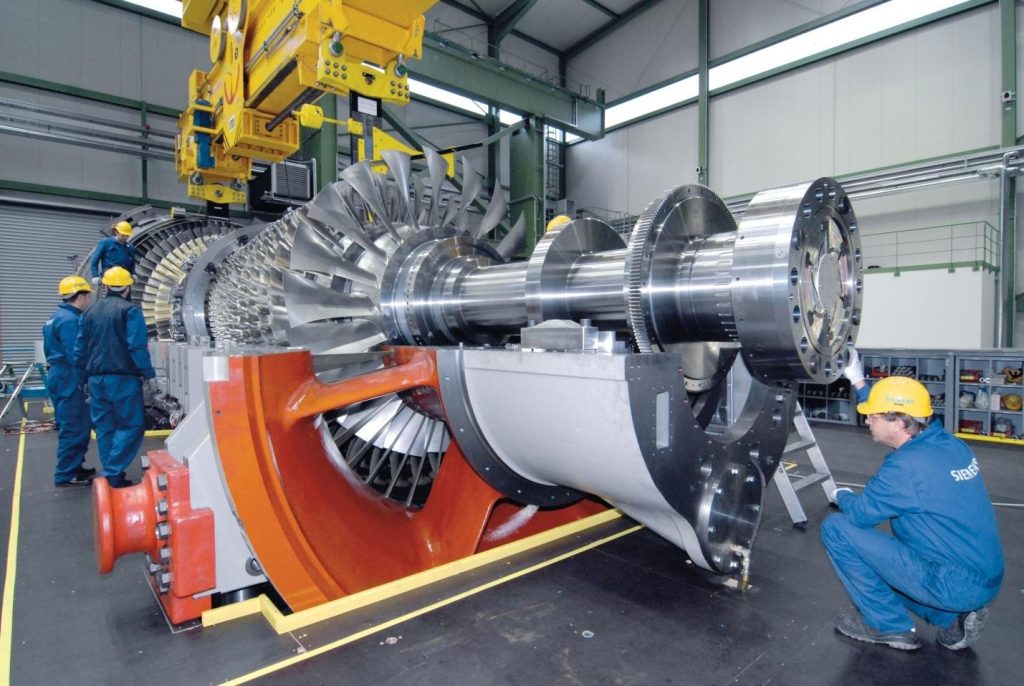
Both aviation and power industries depend on careful examination and maintenance of gas turbine engines. They are crucial for propelling aircraft and producing energy altogether. The integrity of turbine blades is essential, because it will directly affect the engine’s efficiency, safety and durability.
Since they are facing continual thermal stress, you must undergo rigorous inspection that will help you catch relevant flaws. Since the turbine blades feature multifaceted role, they are vulnerable to wear and tear after a while.
Therefore, you should conduct different methods and processes for inspection and maintenance, which will help you identify potential defects. These issues can compromise your safety and impair overall performance.
Blade integrity is fundamental to a gas turbine engine’s safe operation. Even small defects can lead to serious problems due to fast rotation and intense heat. This highlights the essential need for regular inspections and maintenance. These schedules can help you deal with thermal stress, while ensuring blades are following safety standards and protocols.
Failing turbine blades can lead to severe repercussions apart from downtime and interruptions. They can lead to damage the engines severely, catastrophic failures and putting people’s lives at risk. This underscores the importance of blade inspection as the crucial defense against potential disasters that may happen.
You should know that blades could withstand harsh conditions where corrosion, thermal stress and erosion are continually attacking integrity. That is why you should learn more about blade blending service, which will help you throughout the process.
If you detect defects that may happen due to significant stress, you can ensure to prevent potential havoc. Therefore, you should implement inspection techniques.
Blade Inspection Methods
Gas turbine maintenance requires rigorous maintenance routines and inspection. The crucial aspect of checking is blade inspection, because you will spot for potential issues that may lead to system breakdowns. It means you can incorporate wide array of non-destructive testing, which is essential to remember.
Visual inspection is the first line of defense. We are talking about straightforward steps that focus on checking for wear, visible flaws and erosion. Apart from looking at the surface, methods such as dye penetrant testing can help you as well. They will shine at surface cracks that you cannot see yourself.
Of course, you can adopt comprehensive inspection techniques that are bedrock of turbine longevity and reliability, meaning it will ensure optimal performance and mitigate all risks. Turbine blade non-destructive testing is taking advantage of eddy current testing.
We are talking about leveraging electromagnetic fields to detect potential flaws in conductivity. Ultrasonic testing joints will deploy high-frequency sound waves that will detect irregularities within the blade’s material. That way, you can pinpoint the problem without harming the structure altogether.
Radiographic techniques are also important because they can show potential problems such as foreign materials that you cannot see or hollow spaces between the materials. At the same time, you can combine different inspection techniques that will guarantee a detailed turbine maintenance strategy. It is a pivotal aspect for ensuring the optimal power production.
The essence of diligent inspection and maintenance is ensuring the longevity of gas turbine. By taking advantage of non-destructive testing methods with visual assessments, technicians can effectively identify wide array of defects in turbine blades.
That way, you can ensure the uninterrupted functionality that will stay resilient as time goes by. Enter this site: https://vimeo.com/859325770 to learn more about this particular topic.
Final Word
You can choose wide array of techniques and methods that will help you determine the current state of your power generator. However, the main idea is to ensure that everything is functioning properly, which will help you prevent further expenses and increase overall durability of your system.