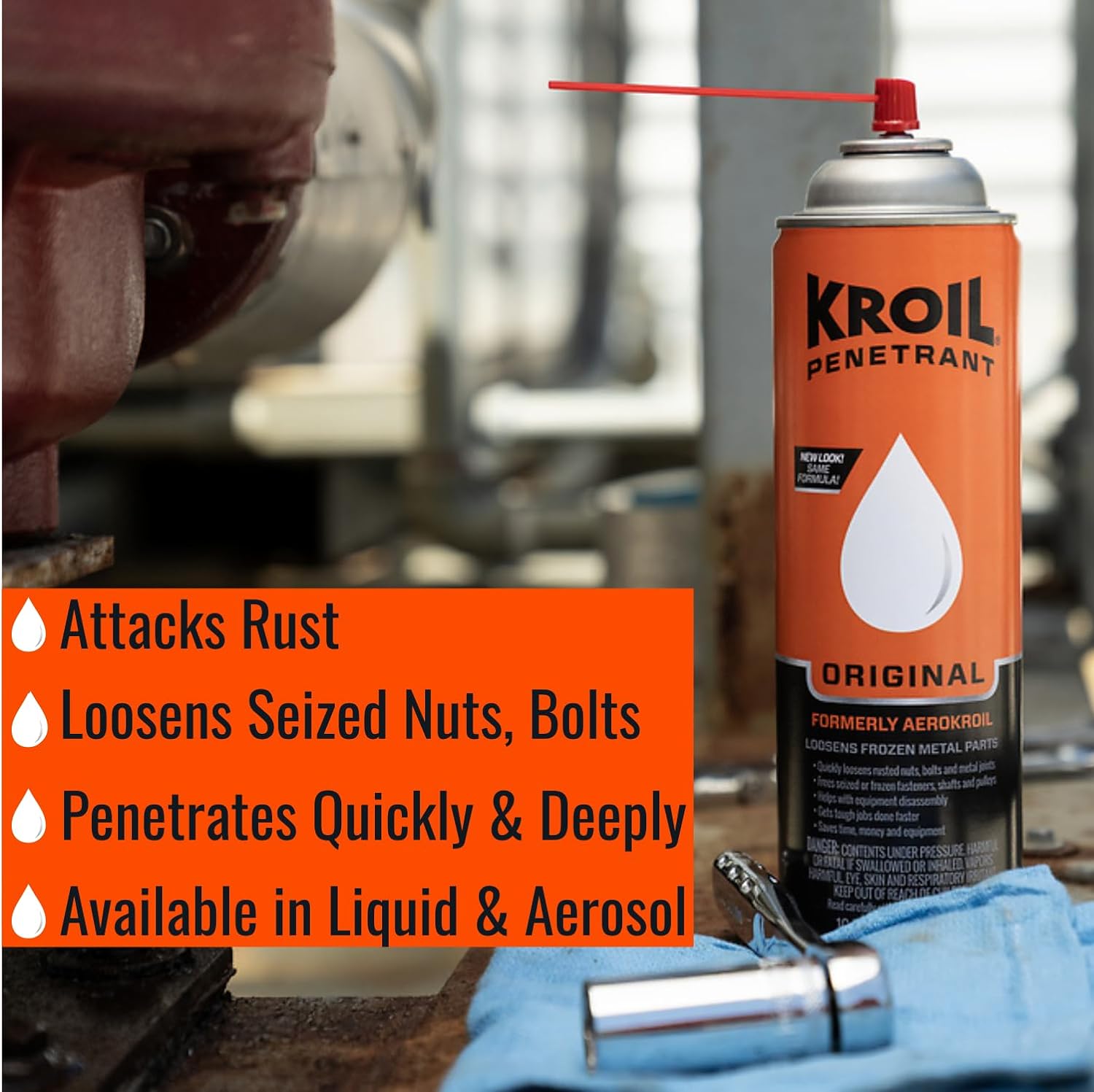
When a nut refuses to budge or a threaded fitting seems fused to a pipe after years of exposure to moisture and temperature changes, the instinct to use brute force is natural. Many homeowners or maintenance staff respond by applying more torque, which often leads to stripped threads, snapped bolts, or cracked fittings. Understanding that these connections are rarely just stuck—they are typically bound by layers of oxidation and mineral buildup—is the first step toward a successful repair. Using the best penetrating oil for plumbing can be the difference between a quick adjustment and a labor-intensive replacement.
The Physical Reality of Seized Plumbing Connections
Plumbing systems operate in environments that are inherently challenging for metal components. Constant exposure to fluctuating temperatures causes metals to expand and contract, while ambient humidity or leaks encourage the formation of rust and oxidation at the connection points. Over time, these materials consolidate into a bond that can be stronger than the metal itself.
When a fitting is seized, the problem is rarely just surface-level. The corrosion often migrates deep into the microscopic gaps between threads. Simple surface cleaning or manual pressure fails because it cannot reach these internal areas. This is where chemical agents play a crucial role. These liquids are designed to migrate into the tightest crevices, breaking the surface tension of the rust and providing the lubrication necessary to displace the binding agents.
How Chemical Penetration Generally Functions
The effectiveness of these liquids relies on their ability to travel via capillary action. Because they have a low surface tension and low viscosity, they can seep into the gaps where rust has built up. Once they penetrate these areas, they typically serve two purposes: lubricating the surface to reduce friction and chemically altering or softening the corrosion layers.
Applying these agents effectively is often as important as the product choice itself. A common mistake is to apply the liquid and immediately attempt to loosen the fitting. Instead, successful application usually involves allowing enough time for the chemical to wick through the entire connection. In many cases, if the assembly is heavily rusted, applying the product, waiting for a period, and then lightly tapping the fitting can help the oil migrate further into the threads.
Key Factors That Shape Your Success
Several considerations dictate whether a stubborn fitting will release or remain stuck. First is the material compatibility of the parts involved. Some connections involve dissimilar metals, which can create a galvanic reaction, accelerating the rate of corrosion. In these scenarios, the bond can be particularly aggressive.
Second, consider the environment. If the fitting is located in a damp space or exposed to chemicals that promote scaling, the buildup may be thick. While high-quality oils are effective, they cannot replace parts that have physically lost structural integrity due to extreme corrosion. If a fitting shows significant pitting or deep surface decay, no amount of penetrating agent will restore its strength.
Another factor is the presence of other materials. If there is old thread sealant, pipe dope, or mineral scale present, it can act as a physical barrier that prevents the oil from reaching the threads. In some situations, removing visible exterior debris with a wire brush before applying the lubricant can help the liquid reach its target more effectively.
Practical Approaches for Tackling Stiff Fittings
When you are preparing to work on a difficult plumbing connection, consider these general steps to improve your chances of a clean release:
Preparation and Application Techniques
Begin by clearing away any loose paint, heavy rust flakes, or grime around the joint. This prevents external materials from absorbing the liquid that should be going into the threads. Apply a generous amount of your chosen nano penetrating oil to the seam where the two pieces meet. Using a product with a focused applicator or a straw attachment can help minimize waste and ensure the liquid reaches the exact point of contact.
The Role of Patience and Mechanical Assistance
Patience is often the most important tool. After the initial application, allow the product time to do its work. For exceptionally stubborn cases, some professionals recommend applying the oil at intervals, allowing it to penetrate progressively deeper. If the fitting does not move after a reasonable wait, a gentle tap with a mallet or a tool can create small vibrations that help the liquid settle further into the threads.
Considering When to Stop
There is a point where applying further force becomes counterproductive. If you find that the fitting is not yielding, or if you feel the metal begin to flex or distort, pause the process. Continued force at this stage can result in a snapped component, which significantly complicates the repair. Sometimes, a persistent fitting is a sign that the entire section of pipe may need to be bypassed or replaced. Knowing when to stop trying to unscrew a fitting and instead choosing to cut or replace the section is a skill that saves both time and further damage to the surrounding system.
When you are working with specialized components or high-pressure systems, always ensure you have a clear understanding of the piping material. Some plastics or specific specialized alloys may react poorly to certain chemical solvents. If you are unsure about how a particular liquid will interact with your plumbing, checking the material compatibility is a sensible safety precaution.
Maintaining a supply of reliable tools and high-quality lubricants is a proactive way to handle the inevitable maintenance that plumbing requires. By approaching seized fittings with patience, proper lubrication, and a methodical strategy, you can often restore function to your systems without unnecessary damage.