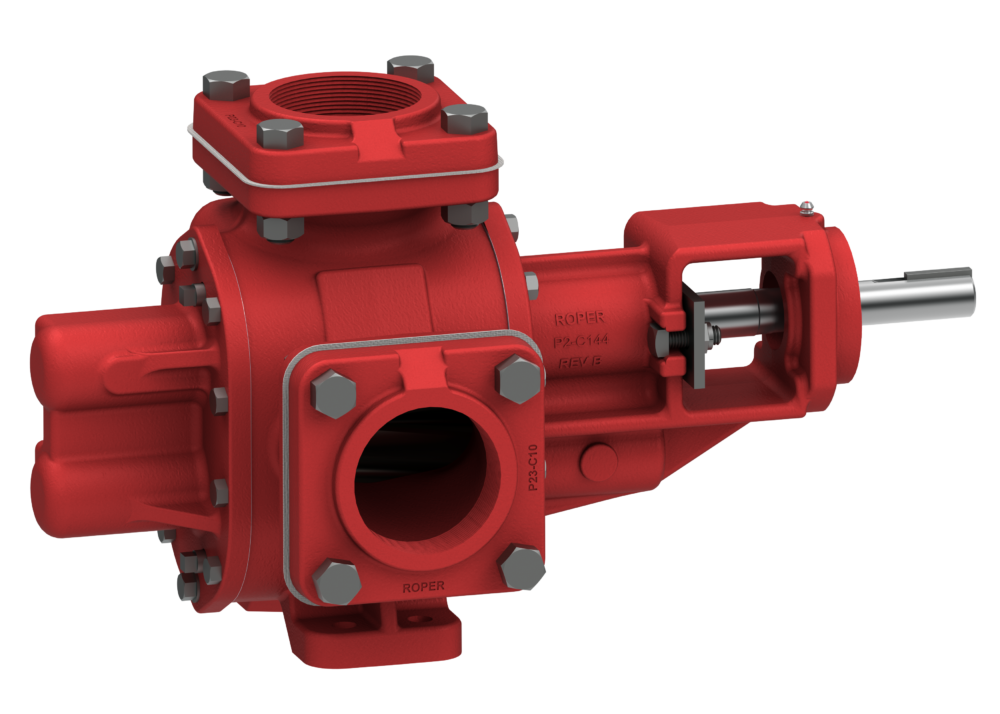
When managing complex fluid systems, the selection of pumping equipment often represents a foundational decision for operational reliability. Facility managers and engineers frequently face a choice between specialized units designed for specific lubrication tasks and broader, more versatile options intended for material handling. Choosing the wrong equipment can lead to premature mechanical failure, energy inefficiency, and costly production downtime. Understanding how lube oil pumps differ from transport pumps in function and design is the first step toward building a more resilient facility.
Defining the Operational Differences in Fluid Systems
The primary distinction between these two categories of pumps lies in their intended purpose and the characteristics of the fluids they manage. A pumping system is rarely a one-size-fits-all solution; it is typically engineered to accommodate specific viscosity ranges, flow rates, and pressure requirements.
A pump designed for lubrication serves a critical function: ensuring that moving parts within an engine, gearbox, or industrial machine receive a consistent, pressurized supply of oil. These systems are generally characterized by their need for high precision and reliability. In many cases, these units operate in a closed loop, circulating fluid to maintain temperature stability and prevent friction-induced wear. Because they are integrated into sensitive machinery, the performance requirements often focus on steady, pulsation-free delivery rather than high-volume movement.
Conversely, a pump intended for transport tasks is designed with a different set of priorities. These units are typically utilized for moving large volumes of fluid from one storage vessel to another, such as loading fluids into tankers, transferring product between holding tanks, or managing bulk processing operations. The design of these systems often emphasizes throughput, ease of maintenance, and the ability to handle a broader range of material consistencies. While a lubrication pump might prioritize the delicate balance of flow for machine health, a transport unit prioritizes the efficient movement of inventory across a facility.
Examining Typical Requirements for Industrial Pumping Solutions
The infrastructure supporting these systems differs based on the environment they occupy. When evaluating lube oil pumps, engineers often look for features that ensure total system protection. Because these pumps are frequently critical components of a larger machine’s health, they often include integrated pressure relief mechanisms, filtration compatibility, and materials designed for long-term endurance in continuous operation. They are frequently housed in protected, controlled environments where the fluid purity is tightly managed.
In contrast, transport pumps encounter a more diverse array of operating conditions. These systems often handle higher volumes of fluid and may need to navigate varying suction conditions or pipeline restrictions. Because they serve as the “arteries” of a distribution or processing network, these pumps are often built for robustness and accessibility. The ability to perform quick repairs or seal replacements is a common consideration for maintenance teams, as these pumps are often located in high-traffic areas or remote transfer stations where downtime impacts the entire supply chain.
Factors That Influence the Selection Process
Selecting the right equipment involves a careful evaluation of the fluid and the surrounding process. Several considerations typically tip the balance toward one technology over the other:
● Viscosity and Temperature Stability: Lubrication fluids are formulated to maintain specific properties under heat and stress. A pump selected for this role must be able to handle these fluids without causing excessive shear or temperature degradation. Transport fluids may vary significantly in viscosity, requiring pumps that can handle different thicknesses without losing efficiency.
● Operating Duty Cycles: Are you running a continuous, low-flow circulation system, or are you performing periodic, high-volume transfer cycles? Continuous operation usually demands equipment designed for durability and low noise levels, while intermittent transfer work can often utilize more powerful, high-capacity equipment.
● System Integration Needs: Consider whether the pump needs to communicate with existing machine control systems. Lubrication systems often require sophisticated sensing for pressure and flow monitoring to prevent catastrophic machine failure. Transport systems may focus on simple start-stop automation and volume metering.
● Environment and Accessibility: A pump located deep within the housing of a turbine requires a different design philosophy than one mounted on an external manifold or a mobile transfer skid. Accessibility for routine service is a significant factor in how a facility manages long-term costs.
Aligning Equipment Choice With Long-Term Operational Goals
The most successful industrial fluid management strategies are those that consider the entire life cycle of the equipment. A common pitfall is prioritizing the initial acquisition cost over the total cost of ownership. A unit that is slightly less expensive to purchase may consume more power, require more frequent part replacements, or necessitate more complex maintenance procedures, ultimately costing significantly more over its lifespan.
For many facilities, the decision-making process involves consulting with maintenance personnel who deal with the daily realities of equipment wear and tear. Ask your team about which systems consistently require the most intervention and why. Is the issue a recurring seal failure, a mismatch in pump capacity, or an environmental factor such as heat or vibration? These insights are often more valuable than manufacturer specifications alone.
When planning your infrastructure, look for equipment that offers flexibility and reliable support. A provider that can offer clear documentation regarding service intervals, parts availability, and compatibility with your existing fluid types is a partner in your operational success. If you are uncertain about the specific requirements for your application, consider performing a comprehensive audit of your current flow rates and system pressures. Having this data prepared makes it significantly easier to communicate with specialists and ensures that any new equipment is properly sized for its intended role.
Empowering your maintenance team with the right tools—and the right understanding of how those tools serve your specific processes—is the most reliable way to prevent systemic issues. By focusing on the unique demands of your fluid circuits and acknowledging the difference between circulation-focused lubrication and volume-focused transfer, you can make informed choices that improve the efficiency of your facility for the long term. Regardless of the specific application, the best approach remains proactive assessment and a clear understanding of the mechanical trade-offs inherent in every pumping installation.